
Uncategorized
Luigi disposable real or fake …
Feb
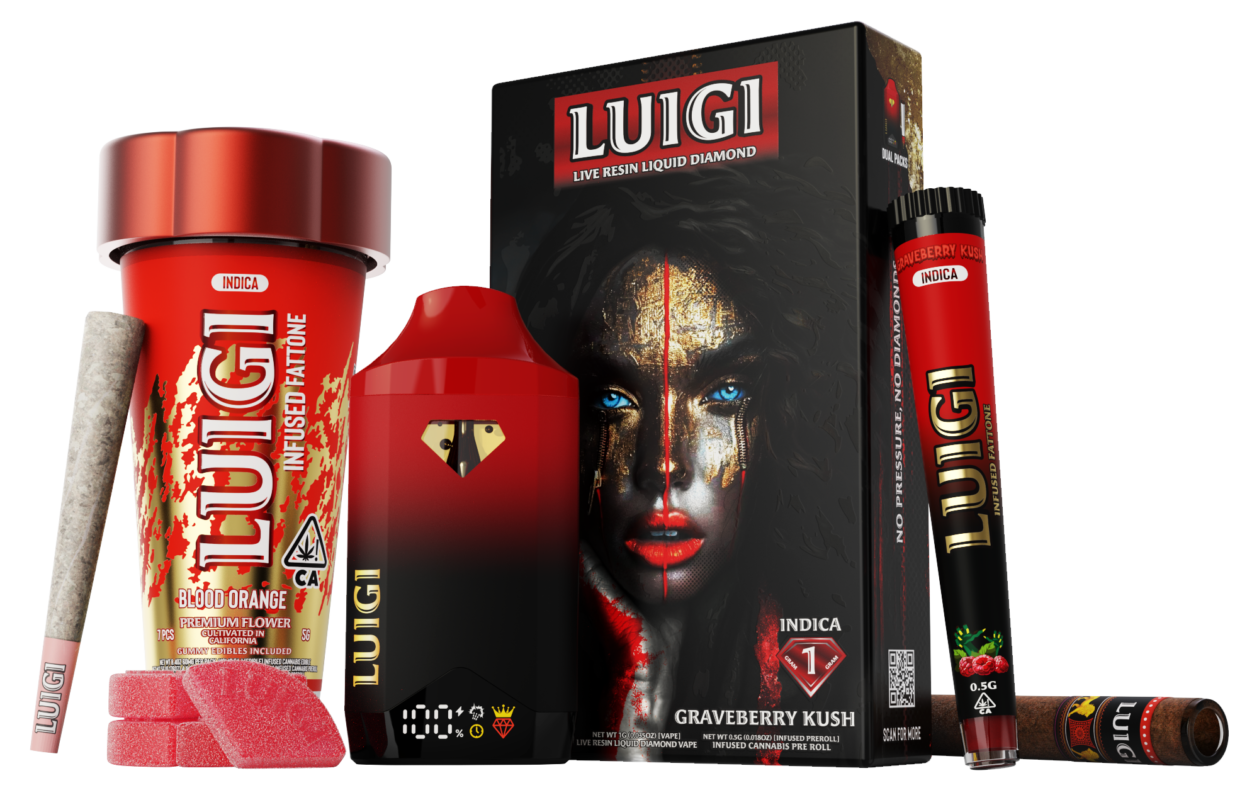
Luigi Disposable Real or Fake? The 2026 Ultimate Guide to Spotting Counterfeits
In the rapidly evolving world of vaping, the name Luigi (often associated with Luigi Oil) has become a major player in the disposable market. However, with popularity comes the inevitable wave of “knockoffs.” If you’ve found yourself asking, “Is my Luigi disposable real or fake?” you aren’t alone.
As of 2026, the market is flooded with high-quality counterfeits that look almost identical to the real thing. Using a fake vape isn’t just a waste of money—it’s a genuine health risk. This guide will walk you through every detail you need to verify your device, understand the brand’s legitimacy, and protect your lungs from “mystery oil.”
What is a Luigi Disposable?
The Luigi brand—specifically Luigi Oil—is a California-based company known for its high-potency cannabis oil disposables and “Blinkers.” They have carved out a niche for themselves in over 100 dispensaries across California, often recognized by their vibrant, Mario-themed aesthetic (though they operate as an independent entity).
The “Grey Market” Dilemma
The biggest challenge with Luigi disposables is that they are highly targeted by “grey market” manufacturers. Because the brand has a “street-cool” aesthetic, unlicensed labs often produce packaging that looks exactly like Luigi’s official designs and sell them to smoke shops or “plugs” across the USA.
5 Red Flags: How to Spot a Fake Luigi Disposable
If you didn’t buy your device from a licensed California dispensary, there is a high probability you are holding a replica. Here is the checklist to determine the authenticity of your device.
1. The QR Code Verification (The Gold Standard)
Authentic Luigi products come with a scratch-off verification sticker.
- Real: The QR code should lead you directly to the official
luigioil.comdomain. Once you enter the unique serial number, it should tell you if the code has been scanned before. - Fake: The QR code might lead to a “copycat” website (e.g.,
luigivape-verify.com) or a broken link. If the code has already been scanned 50 times, you have a counterfeit.
2. Packaging Quality and Typos
Counterfeiters often rush the printing process. Look for:
- Spelling Mistakes: Check the ingredient list and warnings. Fakes often misspell words like “thoroughly” or “nicotine.”
- Blurry Graphics: Authentic Luigi packaging is crisp with high-contrast colors. If the “Luigi” character looks blurry or the colors seem “washed out,” it’s a fake.
- Flimsy Cardstock: Real packaging is rigid and premium. Fake boxes often feel thin and easily collapsible.
3. Hardware Build and “The Blinker” Test
Luigi disposables are known for their “Blinker” capability—meaning they are built to handle long, sustained hits.
- Weight: Genuine devices have a specific heft due to the high-quality lithium-ion battery. Fakes often feel “hollow” or light.
- Charging Port: Most 2026 Luigi models use USB-C. If you see a micro-USB port on a newer model, be suspicious.
- The Intake Holes: Check the bottom airflow. On fakes, these are often unevenly drilled or blocked by plastic “flash” from the mold.
4. Oil Consistency and Color
While you shouldn’t judge a book by its cover, the oil tells a story.
- Authentic Oil: Clear, golden-amber, and moves very slowly (high viscosity).
- Fake Oil: Runny, dark brown, or unnaturally clear (water-white). If you see “floaties” or cloudy sediment, stop using it immediately.
5. Price Point
If you are buying a Luigi disposable for $15–$20 at a local gas station, it is almost certainly fake. Authentic Luigi Oil products generally retail for $35–$60 in licensed dispensaries due to the cost of lab testing and high-quality distillate.

Why Fake Vapes Are Dangerous (The Science)
Using a counterfeit Luigi disposable isn’t just about bad flavor; it’s about what’s inside the “mystery juice.” Unregulated labs skip the $1,000+ lab tests that real companies pay for.
| Dangerous Additive | Potential Health Risk |
| Vitamin E Acetate | Linked to EVALI (Lung scarring and failure). |
| Heavy Metals | Lead, Nickel, and Chromium leaching from cheap coils. |
| Pesticides | Residual chemicals from low-grade flower extraction. |
| Synthetic Cannabinoids | “K2” or “Spice” which can cause seizures or heart palpitations. |
Where to Buy Authentic Luigi Disposables
To ensure you are getting the real deal in the USA, follow these sourcing rules:
- Use Weedmaps: Search for “Luigi Oil” on Weedmaps or Leafly to find licensed retailers.
- Avoid Social Media “Plugs”: Telegram and Instagram sellers are the primary source of counterfeit Luigi hardware filled with home-brew oil.
- Check the Exporter Info: Authentic boxes will list the California-based manufacturer and distributor details.
Frequently Asked Questions (FAQ)
Is Luigi Oil a real company?
Yes, Luigi Oil is a legitimate California-based cannabis brand. They have a dedicated team in Los Angeles and are stocked in reputable dispensaries.
My Luigi vape is blinking 10 times—is it fake?
Not necessarily. A blinking light usually indicates a dead battery or a short circuit. However, if the device is brand new and blinking, it may be a “dud” or a low-quality counterfeit with a faulty battery.
Can I buy real Luigi disposables online?
Only if you are in a state with legal delivery (like California) and are buying through a licensed dispensary portal. Shipping THC products across state lines via the USPS is illegal and a common front for scam websites selling fakes.
The “Luigi disposable real or fake” debate usually comes down to where you bought it. If the price was too good to be true, the packaging has typos, or the QR code doesn’t verify on the official site, toss it. Your health is worth more than a $20 “Blinker.”
