
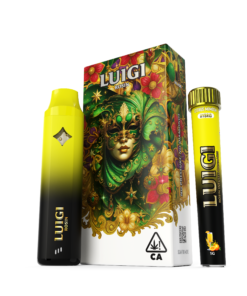
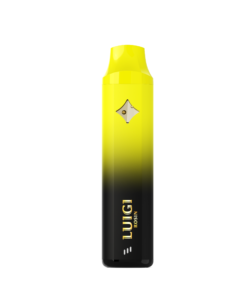
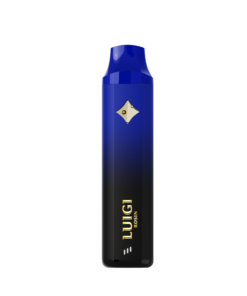
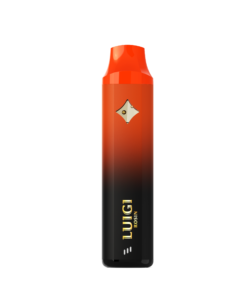
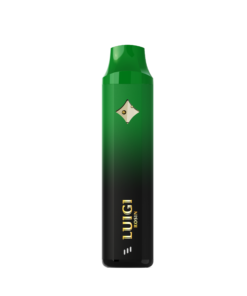
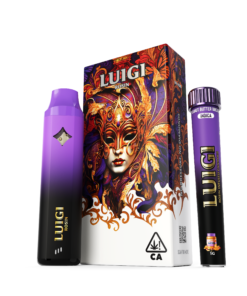
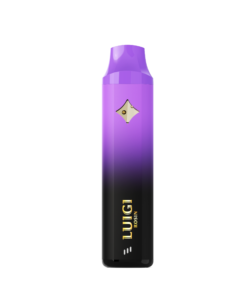
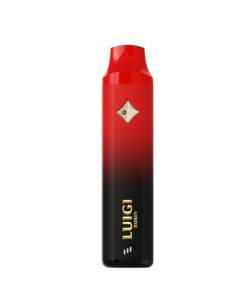
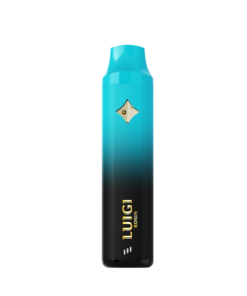
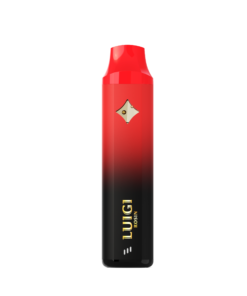
Luigi rosin pens are the solventless option in the range. Rosin is pressed from the plant with heat and pressure alone, with no hydrocarbon solvent involved at any stage, which makes it the cleanest extract Luigi produces and the one purists tend to ask for by name. Ten flavors, 10 dollars each. How rosin differs from live resin, what to expect from the taste, and how to get the best from a pen are set out below the products.
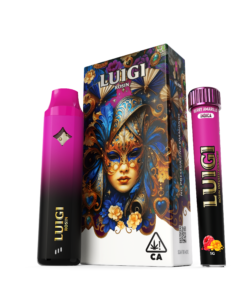
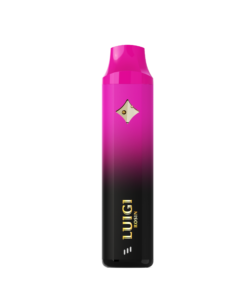
Rosin Pens
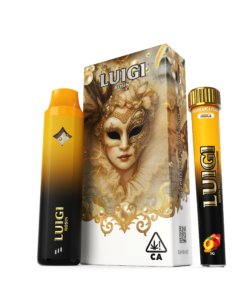
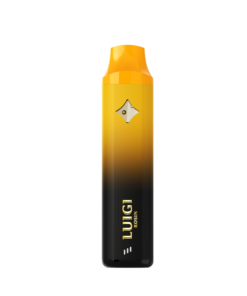
Rosin Pens
Rosin Pens

Rosin Pens

Rosin Pens

Rosin Pens
Rosin Pens

Rosin Pens

Rosin Pens

Rosin Pens
- What Rosin Actually Is
- Solventless Against Solvent Based
- The Ten Rosin Flavors
- Why Rosin Tastes Different
- Rosin Compared With the Rest of the Range
- Temperature Matters More With Rosin
- Who Rosin Pens Suit
- Getting the Most From a Rosin Pen
- Storage
- Buying Genuine Rosin
- Why Solventless Costs More to Make
- If This Is Your First Solventless Product
- Frequently Asked Questions
What Rosin Actually Is
Rosin is made by applying heat and pressure to cannabis material until the resin is squeezed out of it. That is the entire process. No butane, no propane, no ethanol, no solvent of any kind enters the extraction, which is why the category is called solventless rather than simply clean. What comes out is the resin the plant already made, physically separated from the material that held it.
This matters for two reasons. The first is that there is no solvent to purge afterwards, so there is no residual solvent question at all, which is one of the standard tests every other extract has to pass. The second is that because nothing is dissolved and recovered, the profile that reaches the pen is the profile the plant produced, without a refinement stage in between. Background on the wider category is in the general reference on cannabis concentrates.
Solventless Against Solvent Based
Solvent based extraction is not dangerous or inferior when it is done properly, and most of the Luigi range is solvent based live resin for good reason: it is efficient, it preserves a great deal, and it scales. Rosin trades that efficiency for simplicity. You get less yield from the same material, which is why solventless products generally cost more per gram across the market, and in exchange you remove a whole processing stage.
If you have read our explanation of how live resin is made, rosin is best understood as the same instinct taken further. Live resin protects the terpene fraction by freezing the material and extracting cold. Rosin protects it by not using a solvent at all.
The Ten Rosin Flavors
The rosin line leans away from candy and towards the savoury, funky and citrus profiles, which is characteristic of solventless generally. Because nothing is added back after the fact, these taste like what the plant actually was rather than like a flavour decision.
- Berry Amarillo. Bright berry with a hoppy edge, the most unusual fruit profile here.
- Casablanca Peach. Soft stone fruit, the gentlest pen in the line.
- Citrus Mimosa. Clean orange and light florals, the classic daytime choice.
- Donny Burger. Savoury and peppery, one of the two genuinely funky options.
- Garlic Glue. Pungent and savoury, the most divisive and the most loved.
- OG Reserve. Traditional earth and pine, the reference point for the line.
- Peanut Butter Breath. Nutty and rich, closer to dessert without being sweet.
- Sour Tart Ribbons. Sharp and sour, the closest thing to candy in the rosin range.
- Tangie Diesel. Citrus over fuel, bright and sharp at once.
- Tropicana Gold. Tropical and juicy, the most approachable of the ten.
Why Rosin Tastes Different
The first thing most people notice moving from a distillate or even a live resin device to rosin is that it tastes less sweet. That is not a fault, it is the absence of the sweetening that other processes introduce, whether deliberately through added terpenes or incidentally through refinement. Rosin tastes closer to the flower it came from, and flower is rarely as sweet as a vape device leads you to expect.
The second thing people notice is that the profile is narrower but deeper. A distillate device tends to present one broad flavour note. Rosin presents fewer notes with more character behind each. Buyers who find that revelatory and buyers who find it underwhelming are both reacting to the same thing, which is why we would rather set the expectation than oversell it.
Rosin Compared With the Rest of the Range
| Format | Extraction | Flavor character | Price | Best for |
|---|---|---|---|---|
| Rosin pen | Heat and pressure, solventless | True to plant, less sweet | 10 USD | Purists and flavor chasers |
| Series 8 disposable | Live resin with liquid diamonds | Strain forward, fuller | 35 USD | Runtime and intensity |
| Series 2 disposable | Live resin | Established fruit profiles | 25 USD | Entry to the range |
| Pre roll | Whole flower, no extraction | Full spectrum, harsher | 10 USD | Social sessions |
Temperature Matters More With Rosin
Rosin is more temperature sensitive than any other format we carry, in both directions. Too cold and it barely moves, because unrefined resin is thicker than processed oil and it stiffens quickly. Too hot and you burn off exactly the delicate fraction that made you choose solventless in the first place, which leaves you with something harsh that tastes of very little.
The practical rule is to let the pen sit at room temperature before use and to take short, gentle draws rather than long hard ones. A rosin pen rewards patience more than any other device in the catalog, and most complaints about weak performance turn out to be a cold pen used impatiently.
Who Rosin Pens Suit
Rosin suits three buyers particularly well. Anyone who has decided that solvent free matters to them, whether for purity reasons or simply preference. Anyone who has worked through sweet vape products and wants something that tastes like cannabis rather than like confectionery. And anyone who already enjoys flower and finds most vape devices taste artificial by comparison.
It suits two buyers less well. Anyone whose priority is maximum runtime for the money, since a 10 dollar pen is a smaller format than a 2g disposable. And anyone who specifically enjoys sweet, candy led profiles, who will almost certainly prefer the Series 6 collection.
Getting the Most From a Rosin Pen
- Warm it first. Room temperature at minimum. Cold rosin is thick and will feel like a faulty pen.
- Short gentle draws. Long hard pulls overheat unrefined resin and scorch the flavour.
- Give it a pause. Let the pen recover between draws rather than chaining.
- Upright storage. Thicker extract clogs less than thin oil, but upright still helps.
- Expect less sweetness. This is the format working as intended, not a defect.
Storage
Keep rosin pens upright, at stable room temperature, and out of direct sunlight. Because rosin is unrefined, it carries more of the compounds that heat degrades, so a pen left in a hot car loses more than a distillate device would in the same conditions. Cool and dark is the whole instruction, and a drawer is better than a windowsill.
Buying Genuine Rosin
Solventless carries a price premium across the market, which creates an obvious incentive to label solvent based product as rosin. The honest check available to a buyer is provenance rather than inspection, because you cannot tell by looking. Buy from a source that can say where the material came from and how it was pressed.
Our approach to provenance is set out on the verification page, and the general guidance on judging a seller is in our guide to telling genuine product from fakes. Solventless products sit under the same state level rules as everything else in the category, summarised in the overview of United States cannabis law. Nothing about the extraction method changes who may legally buy. You need to meet the age threshold in your own state.
Why Solventless Costs More to Make
The price of solventless extract across the whole market comes down to yield. Pressing resin out of plant material with heat and pressure recovers considerably less of it than dissolving it into a solvent and recovering that solution does. The same starting material therefore produces meaningfully less rosin than it would live resin, and that difference has to show up somewhere.
It also requires better input material. Solvent based extraction can work with material that would not press well, because the solvent reaches what pressure cannot. Rosin is unforgiving in that respect: mediocre starting material produces mediocre rosin, and there is no refinement stage in which to correct it. That is part of why solventless carries a reputation for quality, and also why the category is smaller than the solvent based one despite being conceptually simpler.
If This Is Your First Solventless Product
Rosin has a reputation that arrives before the product does, and it sets people up for the wrong first impression. Buyers who have read that solventless is the purest and most premium category frequently expect that to translate into something more intense, and then find their first pen tastes quieter than the live resin device they were using. That is the product working correctly.
What solventless actually delivers is fidelity rather than force. The profile is narrower, less sweetened and closer to the plant, and the pleasure in it is detail rather than impact. People who came looking for a bigger version of what they already had tend to be underwhelmed for the first day or two, and then notice they have stopped reaching for the sweeter device. That pattern is common enough to be worth predicting.
There is also a purely mechanical adjustment. Unrefined rosin is thicker than processed oil, so a pen behaves differently from anything else in the catalog: slower to wake up, less tolerant of a hard pull, and noticeably temperature dependent. Almost every complaint we see about a rosin pen underperforming turns out to be a cold pen used with the habits of a live resin device. Give it a few minutes and a lighter draw and it behaves.
If after a week the trade still does not appeal, that is a legitimate preference rather than a failure to appreciate it, and the Series 6 collection is the honest recommendation in the other direction.
Frequently Asked Questions
What is a rosin pen?
A rosin pen is filled with solventless extract, pressed from cannabis using heat and pressure alone with no hydrocarbon or alcohol solvent at any stage. It is the cleanest extract in the Luigi range and the only one where residual solvent is not a question at all.
How is rosin different from live resin?
Live resin uses a cold hydrocarbon solvent on fresh frozen material, then purges that solvent away. Rosin uses no solvent whatsoever, just pressure and heat. Both protect the terpene fraction, rosin simply removes the processing stage rather than optimising it.
Why does rosin taste less sweet?
Because nothing is added back. Distillate has flavour reintroduced after refinement, and even live resin presents fuller and rounder. Rosin tastes closer to the flower it came from, and flower is rarely as sweet as vape products train you to expect.
Are rosin pens stronger than a 2g disposable?
They are a different format rather than a stronger one. A 10 dollar rosin pen is smaller than a 2g live resin disposable, so it will not last as long. What it offers is extract purity and a truer flavour, not more runtime.
Which rosin flavor should I start with?
Tropicana Gold or Citrus Mimosa are the most approachable. Garlic Glue and Donny Burger are the savoury end and worth trying once you have a reference point, since they are the most divisive in the line.
Why does my rosin pen feel weak?
Almost always temperature. Unrefined rosin is thicker than processed oil and stiffens quickly, so a cold pen barely moves. Let it reach room temperature and take short gentle draws rather than long hard ones.