
Guides
Luigi Live Resin Carts: The Complete Collection and Buying Guide
Aug
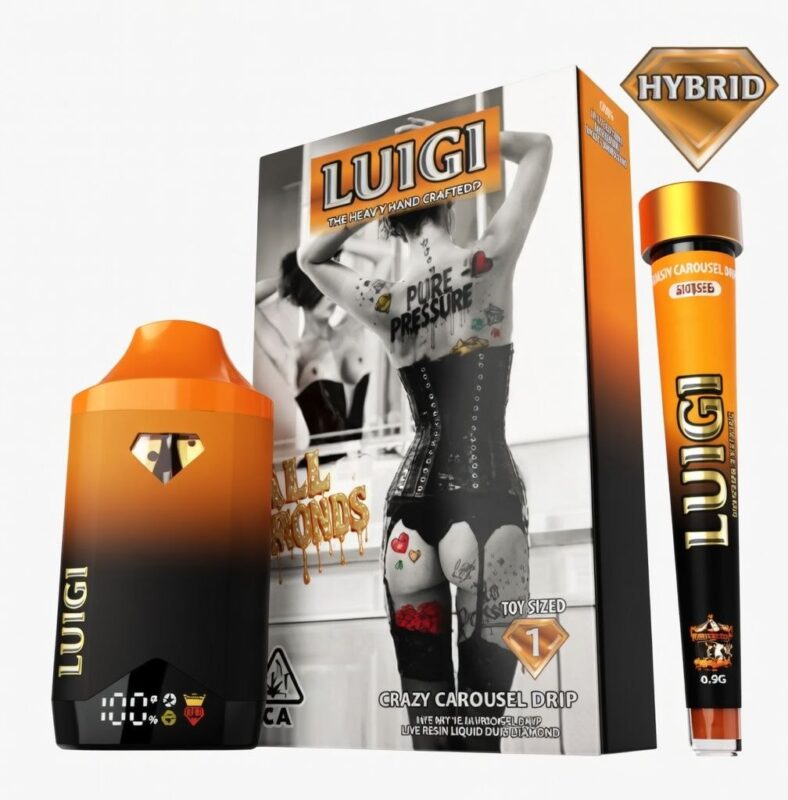
Luigi live resin carts are pre filled vape devices built around one idea: the oil should taste like the plant it came from. Instead of stripped down distillate, Luigi fills every cart and 2g disposable with live resin extracted from frozen fresh flower, then blends in THCA liquid diamonds for potency. This hub explains what makes Luigi live resin carts different, which device formats exist, how to pick a strain profile, and how to confirm you are getting the real thing.
Table of Contents
- What Makes Luigi Live Resin Carts Different
- The Luigi Live Resin Lineup
- How to Choose Between Luigi Live Resin Carts
- Potency: What the Liquid Diamonds Add
- Avoiding Fake Luigi Live Resin Carts
- How Luigi Live Resin Is Made, Step by Step
- Reading the Terpene Profile: What the Flavors Tell You
- Reading a Certificate of Analysis
- The Cold Chain and Why Storage Decides Quality
- Live Resin in a Cart Versus a Disposable
- Luigi Live Resin Carts FAQ
- Luigi Live Resin Carts: Quick Answers
What Makes Luigi Live Resin Carts Different
Most disposable brands use distillate, an oil refined until nearly everything except THC is gone, then re flavored with food terpenes. Luigi live resin carts skip that shortcut. The flower is frozen at harvest, extracted cold, and the resulting resin keeps the original terpene spectrum of the strain. The result is flavor with depth, an entourage of minor cannabinoids, and effects that feel closer to the flower itself. We compare the three oil types side by side in our guide to live resin vs distillate vs liquid diamonds.
The Luigi Live Resin Lineup
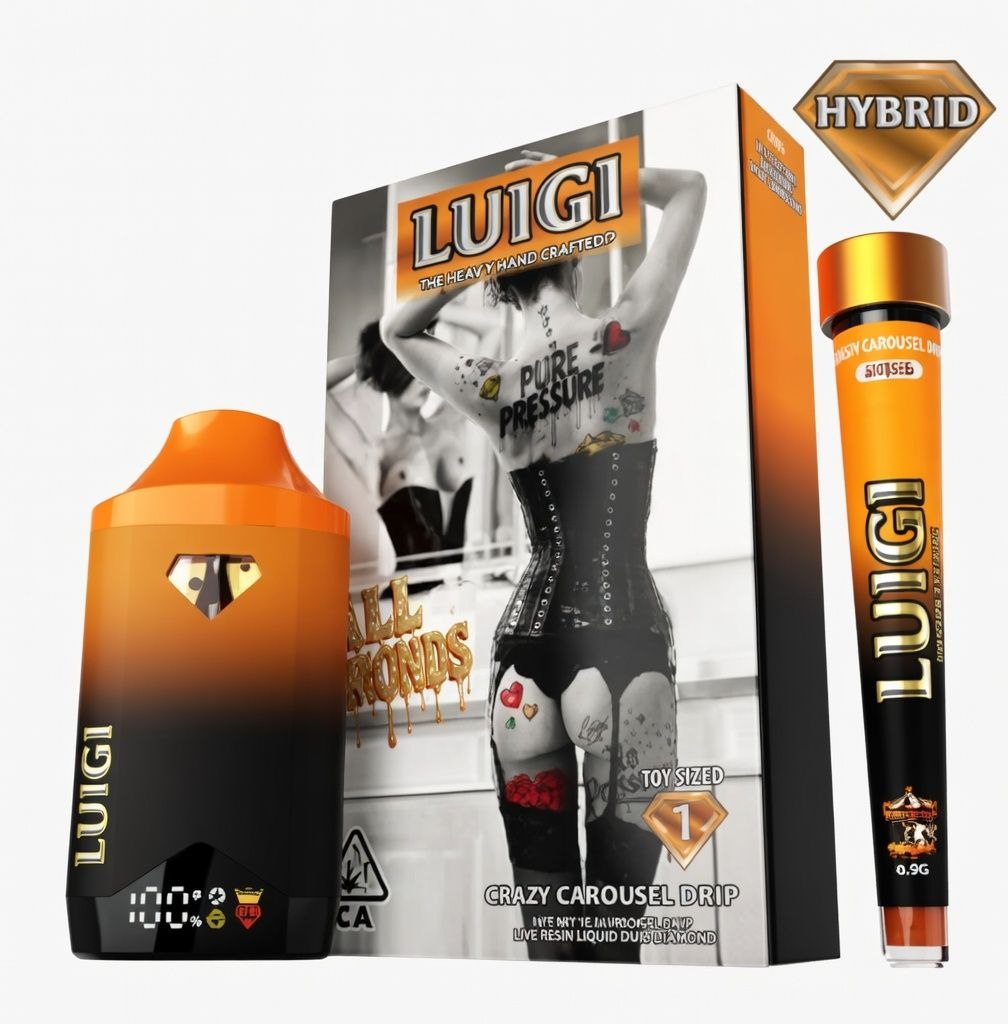
Every current Luigi device uses the same live resin liquid diamond oil. The differences are size and form factor.
| Format | Capacity | Best for |
|---|---|---|
| Luigi 2G Disposable | 2 grams | Everyday carry, longest runtime |
| Luigi Cart 2g V7 | 2 grams | Latest hardware generation |
| Luigi Series 7 Live Resin 2g | 2 grams | New Series 7 strain menu |
| 2g Disposable Pack of 10 | 20 grams | Bulk buyers and sharing |
All formats are draw activated with rechargeable USB C batteries, so the tank always empties before the power dies. Browse every current flavor and format in the Luigi Carts shop.
How to Choose Between Luigi Live Resin Carts
Pick by strain leaning first, format second. Indica leaning profiles like Banana Gelato and Cherry Pie suit evening use. Sativa leaning options like Blue Razz Lime and Pineapple Diesel fit daytime sessions. Hybrids such as Blue Mist sit in the middle. Our flavor ranking scores the full menu, and the model comparison guide covers hardware differences between the V4, V7, and Series lines. If you want the deepest dive on what live resin is chemically, this overview of cannabis concentrates is a solid primer.
Potency: What the Liquid Diamonds Add
Live resin alone usually tests moderate in THC because it keeps so much non THC plant material. Luigi solves this by folding THCA diamonds back into the resin. The finished oil in Luigi live resin carts tests in the 80 to 90 percent THC range while keeping the strain native terpene profile. New users should start with one short draw and wait ten minutes, these devices are stronger than most first timers expect.

Avoiding Fake Luigi Live Resin Carts
Popularity attracts counterfeiters, and most complaints about harsh taste or weak effects trace back to fakes filled with mystery distillate. Protect yourself with three habits. Buy from a trusted seller rather than a random social media DM. Check the scratch off sticker and QR code using our verification walkthrough. Compare pricing against our price guide, a two gram device sold suspiciously cheap is a red flag. For a full hands on evaluation of the current device, read our Luigi 2g disposable review.
How Luigi Live Resin Is Made, Step by Step
Understanding the process explains the price and the flavor. The cycle starts at harvest, when whole plants are cut and frozen within hours instead of hanging to dry for weeks. Freezing locks the terpene profile at its peak, the same compounds that evaporate steadily during a traditional dry and cure. The frozen material then runs through a cold hydrocarbon extraction, where chilled solvent washes the resin glands off the plant without pulling in chlorophyll or plant waxes. The solvent is purged off under vacuum at low heat, leaving raw live resin that still smells like the standing plant.
The second stage creates the diamonds. Left to rest under controlled pressure, THCA in the fresh extract crystallizes into solid formations while the terpene rich portion separates into a liquid layer. Processors then recombine the two in a set ratio, crushed THCA diamonds folded back into the terpene sauce, producing the liquid diamond blend that fills every device in the lineup.
This two stage approach is why Luigi live resin carts can test in the 80 to 90 percent range while still tasting like a specific strain rather than a generic sweetener, potency comes from the diamonds while character comes from the preserved sauce.
Reading the Terpene Profile: What the Flavors Tell You
Because the terpenes survive extraction, the flavor of a Luigi device is a rough map of its effects. Profiles heavy in limonene, the citrus note that dominates Blue Razz Lime and Citrus leaning menus, tend to session bright and social. Myrcene forward profiles, the musky ripe fruit depth in Banana Gelato and Watermelon, lean relaxed and heavy limbed. Caryophyllene, the peppery bakery spice under Cherry Pie, adds body warmth. None of this is exact pharmacology, individual response varies widely, but choosing by dominant terpene gets closer to a predictable session than choosing by indica or sativa labels alone.
A practical tasting tip: judge a live resin device on the exhale of the third puff, not the first. The opening draw carries residual air from the mouthpiece and the coil is still reaching temperature. By the third draw the ceramic core has stabilized and you taste the sauce as intended. If a device tastes like plain sweetener from the first puff to the last with no strain character at all, treat that as a counterfeit signal and run the verification checks covered above before continuing to use it.
Storage protects the profile too. Terpenes are volatile by nature, which is why the oil should be kept away from heat and direct sunlight. A device left on a sunny windowsill loses its top notes within days, the flavor flattens even though the potency barely changes. Room temperature, upright, and out of the sun keeps the sauce as the extractor intended for the life of the tank.
Reading a Certificate of Analysis
A certificate of analysis is the document that separates a claim from a fact, and almost nobody reads one properly. It is worth learning, because a producer willing to publish full panels is telling you something that no amount of packaging can.
Check the sample identity first. The certificate should name a batch that matches the batch on your packaging. A certificate for a different batch, or one with no batch reference at all, is decoration. This is the single most common way a fake lab report is passed off, because the report itself is often genuine and simply belongs to something else.
Look at the date. Cannabinoids degrade over time and a report from two years ago says little about a device produced last month. A recent date also indicates the producer is testing continuously rather than once for marketing purposes.
Find the laboratory and confirm it exists. An accredited third party laboratory will have a verifiable presence and an accreditation number. A report from a lab that cannot be found is not a report.
Read the cannabinoid panel as a total, not a headline. The number on the front of a box is usually the THC figure alone. The panel will show THCA, delta 9 THC, CBD, CBG and minor cannabinoids separately. Total THC is calculated from THCA and delta 9 together, and a producer quoting only the largest single number is presenting the flattering version.
Then read the parts nobody advertises. The panels that actually protect you are residual solvents, pesticides, heavy metals and microbial contamination. A certificate showing only potency is an incomplete document, and the omission is rarely accidental. Residual solvent results matter most for anything butane or ethanol extracted, heavy metals matter because they can leach from poor quality hardware rather than from the oil, and pesticide screening catches what was sprayed on the plant.
Understand what a pass actually means. Laboratories test against action limits set by the state, not against zero. A pass means below the regulatory threshold, which is a meaningful standard but not the same as absent. Anyone claiming a product contains nothing at all is overselling what the document says.
The reason this matters more for vapes than for most cannabis products is that you are heating and inhaling the result. Contaminants that would be tolerable in an edible behave differently when vaporized, which is the central finding from the CDC work on vaping associated lung injury.
The Cold Chain and Why Storage Decides Quality
Live resin is defined by a process that begins within hours of harvest, and the whole advantage collapses if temperature control fails at any point. Understanding the chain explains why live resin costs what it does and why storage on your end matters more than it would with distillate.
At harvest. The plant is frozen immediately rather than hung to dry. This is the step that preserves the volatile terpene fraction, and it is also the step that commits the producer to a frozen supply chain from that moment forward. Material that warms and refreezes suffers cell damage and loses quality permanently.
In storage. Frozen biomass is bulky and expensive to hold. A producer running live resin at volume is paying for freezer capacity continuously, which is a fixed cost that distillate producers working from dried trim simply do not have.
During extraction. The extraction itself runs cold, typically well below freezing, to keep terpenes in solution rather than driving them off. Cold extraction is slower and yields less than a warm process, which is the second structural cost.
After filling. Once the oil is in a device the cold chain ends and ordinary storage rules take over, but the sensitivity does not disappear. Terpenes continue to evaporate slowly, and heat accelerates it. A device stored at room temperature in a drawer holds its profile for many months. The same device left in a hot car loses a noticeable amount of its top notes in a single afternoon, and that loss is not recoverable.
What this means for you. Buy from a source that turns stock over rather than one selling from old inventory, store devices upright, cool and out of direct light, and do not stockpile more than you will use in a few months. Live resin rewards being used reasonably fresh in a way distillate does not, because distillate has nothing left to lose.
The same logic applies across the range, from the Series 8 collection through to the solventless rosin pens, where terpene retention is higher still and storage matters correspondingly more.
Live Resin in a Cart Versus a Disposable
The same oil behaves differently depending on what it is in, and the choice between a cartridge and an all in one disposable is worth making deliberately.
A cartridge lets you control the battery, which means you can adjust voltage and run the oil cooler for better flavor or hotter for larger clouds. It also means you keep the battery when the oil is gone, which is less wasteful. The trade off is that a poorly matched battery running too hot will scorch live resin and waste the terpenes you paid for.
A disposable is tuned at the factory to the oil inside it, which removes the guesswork entirely and is why the disposable format dominates the range. You give up control and gain consistency.
Luigi Live Resin Carts FAQ
Are Luigi live resin carts real live resin?
Yes. Authentic Luigi devices are filled with live resin extracted from frozen fresh flower and blended with THCA liquid diamonds. Counterfeits often substitute flavored distillate, which is why verification matters.
Do Luigi live resin carts fit standard batteries?
The 510 thread carts fit standard vape batteries. The 2g disposables are self contained with their own rechargeable USB C battery, no separate hardware needed.
Why does live resin taste better than distillate?
Live resin keeps the terpenes the plant produced. Distillate strips them out during refinement and replaces them with added flavoring, which tastes flatter and more artificial.
How should I store a live resin device?
Keep it upright at room temperature away from direct sun. Heat thins the oil and can cause leaks, cold thickens it and tightens the draw.
Luigi Live Resin Carts: Quick Answers

What makes Luigi live resin carts different?
The extract. Luigi live resin carts use fresh frozen material extracted cold, so flavour comes from the plant rather than added afterwards.
Are Luigi live resin carts real live resin?
Yes, and the taste shows it. Luigi live resin carts shift character between inhale and exhale in a way distillate does not.
Why do Luigi live resin carts cost more?
A frozen supply chain and lower yield. Luigi live resin carts require whole flower that could have been sold as flower.
Do Luigi live resin carts fit standard batteries?
The disposables are self contained. Luigi live resin carts in the numbered series are all in one rather than 510 cartridges.
How should I store Luigi live resin carts?
Upright, cool, dark, never in a car. Heat makes Luigi live resin carts thin and seep past the seals.
Do Luigi live resin carts lose flavour over time?
Slowly. Terpenes evaporate even in sealed hardware, so Luigi live resin carts are best used within a few months.
How do I spot fake Luigi live resin carts?
Scan the code and check the flavour exists. Counterfeit Luigi live resin carts are almost always distillate in a real looking shell.
Are Luigi live resin carts stronger than rosin?
On cannabinoid load, yes. Luigi live resin carts with diamonds outrank rosin on potency and lose to it on flavour purity.
