
Guides
How Long Does a Luigi 2g Disposable Last?

Jul
A Luigi 2g disposable lasts a moderate daily user roughly three to six weeks. The math: 2 grams is 2000mg of oil, a short puff vaporizes roughly 3 to 5mg, so a full tank holds somewhere in the low thousands of puffs in real use. Marketing puff counts of up to 7000 assume the shortest possible machine puffs; humans draw longer, so plan around the realistic figure, not the box number.
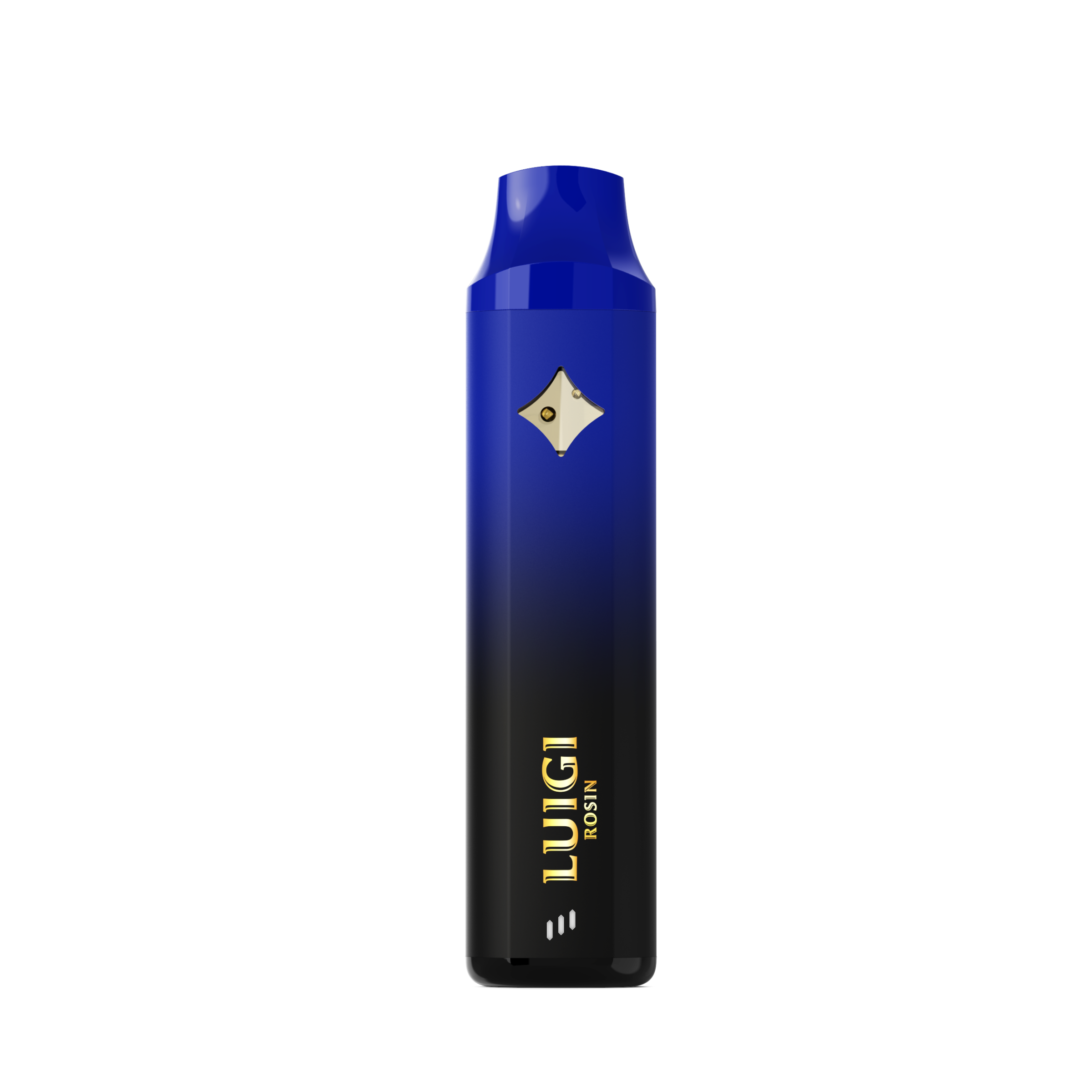
Want an instant answer for your own usage? Try our free disposable puff calculator, enter your device size and draws per day and it shows days remaining and cost per day.
Table of Contents
- How long does a 2g disposable last? The honest math
- Battery life vs oil life: which runs out first?
- How do you know when a Luigi 2g is nearly done?
- How long does an unopened Luigi last on the shelf?
- Five habits that stretch every tank
- 1g cart or 2g disposable: which lasts better per dollar?
- Draw Length: The Variable That Decides Everything
- A Realistic Week, by User Type
- Why Two Devices From the Same Box Last Different Lengths
- How to Tell Oil Left From Battery Left
- Tracking Your Own Usage
- Frequently asked questions
- Final word
- 2g Disposable Runtime: Rapid Answers
How long does a 2g disposable last? The honest math
Work it from the oil, because the oil is what a 2g disposable runs out of. A 2g disposable tank carries 2000mg of live resin. A gentle two second draw uses about 3mg, a longer pull closer to 5mg or more. That puts a realistic 2g disposable tank between roughly 400 and 650 solid sessions of three puffs, or one to two thousand individual puffs for most people.
Translate that to calendar time:
| Usage pattern | Daily puffs | Typical 2g lifespan |
|---|---|---|
| Light, evenings only | 5 to 10 | 2 to 3 months |
| Moderate daily | 15 to 30 | 3 to 6 weeks |
| Heavy or shared | 40 plus | 2 to 3 weeks |
Tolerance matters as much as habit. Luigi oil runs 80 to 90 percent THC, so newer users need fewer puffs per session and stretch a tank much further than veterans. Sharing at sessions is the silent tank killer; a social weekend can do a week of a 2g disposable in solo terms.
Battery life vs oil life: which runs out first?
The oil, by design. The battery in a Luigi 2g disposable recharges over USB, so it cycles many times across the tank. A single charge covers days of moderate use, and the recharge takes 20 to 40 minutes. This is the key mental model: a dead device usually needs a charger, an empty device needs a replacement. Thin vapor on a full battery means oil, a dark device that will not fire means power. The not hitting guide walks the difference in detail.
How do you know when a Luigi 2g is nearly done?
A 2g disposable telegraphs its ending. Flavor fades first, from the bright profiles in our flavor ranking toward something papery. Vapor thins second, even on a fresh charge. Last comes the dry sputter on the draw. When all three arrive, the remaining oil is film on the tank walls, not usable puffs. Recharging changes nothing at that point, because flavor lives in the oil, not the battery.
How long does an unopened Luigi last on the shelf?
Live resin is a fresh product, preserved by flash freezing at harvest, which is what the whole live resin process protects. Sealed and stored cool, dark and upright, a 2g disposable holds its character for months comfortably. Terpenes, the light aromatic compounds Leafly explains here, fade slowly with heat and time, so a year old 2g disposable will puff fine but taste flatter. Buy what you will use inside a season rather than warehousing years of stock, and store spares like wine: cool, dark, standing up.
Five habits that stretch every tank
- Short draws. Two to three seconds. Long pulls vaporize oil faster than you can absorb it.
- Wait between puffs. Ten to fifteen minutes tells you what the last puff actually did, and stops chain puffing a strong 80 to 90 percent oil.
- Store the 2g disposable upright at room temperature. Heat thins oil into leaks, cold thickens it into clogs. Both waste grams.
- Charge before empty. Deep dead batteries invite hard pulls and flooding when they revive.
- Keep it genuine. Counterfeits underfill tanks routinely; a “2g” fake may carry half that. The real or fake checks protect your gram count as much as your health.
1g cart or 2g disposable: which lasts better per dollar?
Per gram, the 2g disposable usually wins, and it brings its own battery. The 1g 510 cart earns its place for people who already own a battery and want to rotate flavors faster. Either way the 2g disposable lifespan math above scales directly: half the tank, half the weeks. Full pricing detail lives in the price guide, and both formats are stocked in the shop.
Draw Length: The Variable That Decides Everything
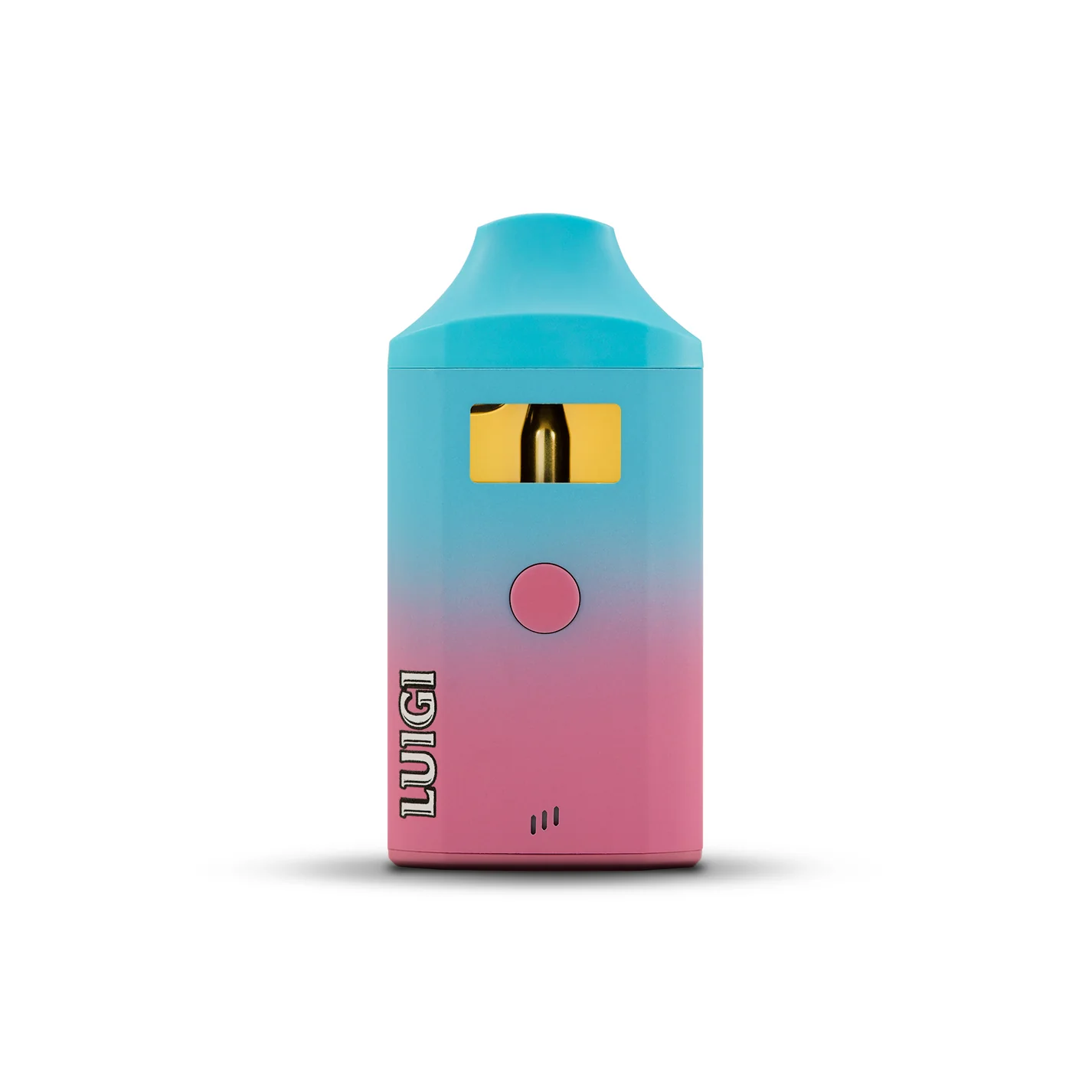
Every puff count printed on a box assumes a draw of a fixed length, usually somewhere between two and three seconds. Real draws vary enormously, and because oil consumption scales with time under heat rather than with the number of times you press your lips to the device, draw length is the single variable that determines how long a two gram device lasts.
The table below works from a realistic figure of roughly 2000 milligrams of oil consumed at about 2.5 milligrams per second of active heating. Treat it as an order of magnitude guide rather than a promise, because coil efficiency and oil viscosity both move the number.
| Typical draw | Oil per draw | Total draws from 2g | Who draws like this |
|---|---|---|---|
| 1 second | About 2.5 mg | Around 800 | Microdosers and very new users |
| 2 seconds | About 5 mg | Around 400 | The box count assumption |
| 3 seconds | About 7.5 mg | Around 265 | Most regular users |
| 5 seconds | About 12.5 mg | Around 160 | Experienced concentrate users |
| 8 seconds | About 20 mg | Around 100 | Heavy users chasing a large hit |
The spread is the point. The same device gives one person 800 draws and another 100, and neither is doing anything wrong. When someone says a two gram device lasted them four days and someone else says a month, the difference is almost never the device. It is this table.
There is a practical consequence worth acting on. Two shorter draws deliver noticeably more total effect than one draw of twice the length, because a long draw overheats the oil at the coil and burns off cannabinoids that never reach you. Shorter draws are more economical and they taste better, which is a rare case of the cheaper habit also being the better one.
A Realistic Week, by User Type
Puff counts are abstract. Most people want to know how often they will be reordering, so here is the same data expressed as calendar time.
| User type | Draws per day | Device lasts | Devices per month | Monthly cost at 20 dollars each |
|---|---|---|---|---|
| Weekend only | 6 on two days | 6 to 8 weeks | Around 0.5 | About 10 dollars |
| Light daily | 3 to 5 | 4 to 6 weeks | Around 0.8 | About 16 dollars |
| Moderate daily | 8 to 10 | 2 to 3 weeks | Around 1.7 | About 34 dollars |
| Heavy daily | 20 plus | 7 to 10 days | Around 3.5 | About 70 dollars |
The monthly figures assume the ten pack price rather than the single unit price, which is the tier most people in the moderate and heavy rows should be buying at. At single unit pricing every row costs 25 percent more. The full breakdown of tiers is in the Luigi carts price guide, and the puff calculator will run the numbers against your own draw habit rather than an average.
Why Two Devices From the Same Box Last Different Lengths
People notice this and assume they were shortchanged. Usually they were not, and the causes are mundane.
Flavor viscosity. Terpene profiles differ in thickness. A dessert profile like Dream Cream is measurably thicker than a citrus profile like Citrus Seductress, and thicker oil moves more slowly through the wick, which means slightly less consumed per second of heating. Dessert profiles routinely outlast citrus ones from the same batch.
Ambient temperature. A device used mostly outdoors in summer runs hotter and consumes faster than the same device used indoors in winter. The effect is small per draw and adds up over two grams.
Battery cycles. As a battery ages through charge cycles it delivers slightly lower voltage, which means slightly less oil vaporized per second. A device you charged twelve times is drawing marginally weaker than it did new, which some people compensate for with longer draws without noticing they are doing it.
Session pattern. Chain draws in quick succession heat the coil beyond its resting temperature, and each subsequent draw in that chain consumes more oil than the first. Ten draws spread across a day consume less than ten draws in five minutes.
None of these are defects, and none of them are worth worrying about individually. Together they explain a variance of roughly twenty percent between two devices used by the same person, which is more than enough to notice and not enough to be a problem.
How to Tell Oil Left From Battery Left
Most people who think a device has died early have actually hit one of two different endings and misdiagnosed which. The distinction matters because one is fixable in an hour and the other is not fixable at all.
The battery ending. The device blinks when you draw, produces little or no vapor, and the blink pattern is regular. Oil is still visible through the window. This is a flat battery and it is solved by charging. A device that has been charged and still blinks under load has usually reached the end of its cell life, which on a two gram disposable typically arrives somewhere past the point where the oil is nearly gone anyway.
The oil ending. The device lights normally, the draw feels thin and tastes scorched, and there is no visible oil left in the window when you tilt it toward a light. No amount of charging changes this. The burnt taste is the wick heating without enough oil to vaporize, and continuing to draw at that point produces genuinely unpleasant compounds rather than merely a bad flavor. Stop when it tastes burnt.
The ambiguous middle. Sometimes there is oil visible but it will not reach the wick, usually because the device has been stored on its side in the cold and the oil has pooled away from the airway. Stand it upright somewhere warm for an hour and it often comes back. This is the case people most often mistake for a dead device, and throwing it away costs them roughly a third of a tank.
Checking the window before you conclude anything takes two seconds and settles the question. If the device still will not draw after charging, warming and standing upright, work through the nine fixes for a device that is not hitting before writing it off.
Tracking Your Own Usage
The tables above use averages, and averages are a starting point rather than an answer. If you want a number that applies to you specifically, the method is simple: note the date you open a device and the date it finishes, then divide two grams by the number of days. Do that across two devices and you will have a personal figure more accurate than any published estimate.
Most people are surprised by the result in one direction or the other, and the ones who find they are consuming faster than expected usually discover it is draw length rather than frequency. Our puff calculator will do the arithmetic against your own habits.
Frequently asked questions
How many puffs is a Luigi 2g disposable really?
Realistically one to two thousand human length puffs. Box figures up to 7000 assume very short machine style draws that almost nobody takes.
How long does a 2g disposable last a daily user?
Three to six weeks for moderate daily use of 15 to 30 puffs a day. Light evening users can double that, heavy or shared use can halve it.
Does the battery die before the oil runs out?
No. The battery recharges over USB and cycles many times per tank. The oil is the finite resource; when vapor thins on a full charge, the tank is ending.
Do unopened Luigi disposables expire?
They fade rather than expire. Stored cool, dark and upright, sealed devices stay excellent for months; flavor gradually flattens over a year or more.
How should I store a disposable to make it last?
Upright, room temperature, away from sunlight and hot cars. Heat leaks oil and cold clogs it, and both cost you puffs you paid for.
Final word
Two grams is a number; weeks is the answer for every 2g disposable. Draw short, store smart, charge early and buy genuine, and a Luigi 2g gives you every session the tank was built to hold.
2g Disposable Runtime: Rapid Answers

How many draws does a 2g disposable really give?
Between roughly 100 and 800 depending on draw length. A 2g disposable holds the same oil either way, so the variable is seconds under heat.
Does a 2g disposable last twice as long as a 1g?
Close to it, slightly less in practice. A 2g disposable puts more charge cycles through the battery, and a weakening cell encourages longer draws.
How long does a 2g disposable last a daily user?
Two to three weeks at moderate use, seven to ten days for a heavy user. A 2g disposable stretches to six weeks or more for weekend only use.
Does the battery on a 2g disposable die before the oil?
Rarely. A 2g disposable is built so the cell outlasts the tank, though performance declines measurably past eight charge cycles.
Does flavour change how long a 2g disposable lasts?
Slightly. Thicker dessert profiles in a 2g disposable move more slowly through the wick than thin citrus ones.
What is the cheapest way to run a 2g disposable?
Shorter draws at a volume tier. Cutting a five second pull to two on a 2g disposable saves more than moving from retail to wholesale pricing does.
