
Guides
How to Verify a Luigi QR Code Step by Step
Jul
To verify a Luigi QR code: check the tamper seal is intact, find the QR or scratch tag on the box, scan it with your phone camera, confirm the page it opens is the genuine brand verification portal, and match the batch details on screen to the ones printed on your packaging. The whole check takes about two minutes, and it is the single most reliable way to separate a real Luigi from a counterfeit.

Table of Contents
- Why bother verifying at all?
- How to verify a Luigi QR code step by step
- What does a passing check look like?
- What are the failure signs?
- Checks beyond the Luigi QR code
- What should you do if your product fails?
- What a Genuine Verification Page Should Show You
- Where Counterfeits Actually Enter the Supply Chain
- What to Do When a Device Fails Verification
- Verification Signals Ranked by Reliability
- Frequently asked questions
- Final word
- Luigi QR Code: Quick Answers
Why bother verifying at all?
Because the fakes are not a rare problem, they are the default problem. Luigi is one of the most searched disposable brands in the country, and counterfeiters follow search volume. A fake box costs them cents, and what goes in the tank is whatever was cheapest that week: runny distillate, synthetic cannabinoids or unidentified cutting agents.
html” rel=”noopener” target=”_blank”>CDC’s e-cigarette resources cover in depth, and the reason our are Luigi carts safe guide keeps its focus on authenticity. Verification is not brand loyalty theater. It is the two minutes that tells you what you are about to inhale.
How to verify a Luigi QR code step by step
- Inspect the box before opening it. The tamper seal should be intact and cleanly applied. Print should be sharp, colors saturated, spelling perfect. Blurry text or a reglued seal ends the check early.
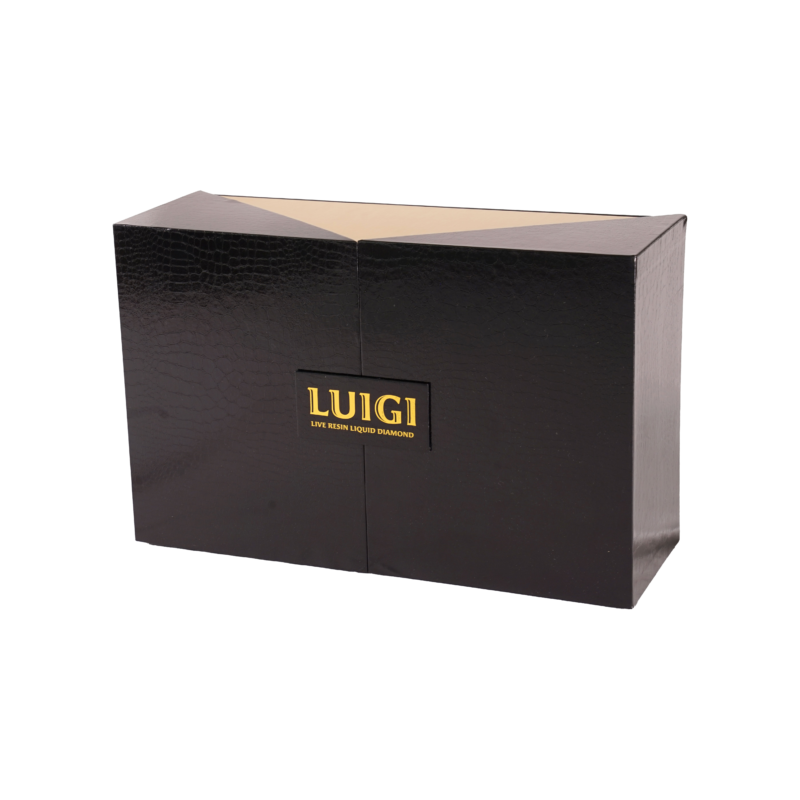
- Find the verification tag. Genuine Luigi packaging carries a scannable Luigi QR code or a scratch off verification tag, usually on the side or base of the box.
- Scan with your phone camera. No special app needed. Point the camera at the Luigi QR code and tap the link that appears.
- Read the address before you trust the page. This is the step counterfeiters rely on you skipping. The link should resolve to the brand verification portal. A random product page, a URL shortener chain or a lookalike domain with extra words is a fail.
- Match the batch details. A passing verification shows product and batch information that matches what is printed on your box: same product line, same flavor, matching batch identifiers.
- Enter the scratch code if present. Scratch tags reveal a one time code for the portal. A genuine first time code confirms cleanly. An already redeemed message on a sealed product means the code was cloned from a real box.
What does a passing check look like?
Clean seal, sharp print, a real flavor from the lineup, a Luigi QR code that resolves to the verification portal, batch details that match the box, and a scratch code accepted first time. When all of those line up, you can be confident about what is inside, and everything in our usage guide applies as written.
What are the failure signs?
- Dead or missing Luigi QR code. No code on the box, or a code that scans to nothing.
- Wrong destination. The scan opens an unrelated page, a shortened link chain or a domain that imitates the brand with extra words.
- Mismatched details. Portal says one flavor or line, box says another.
- Redeemed code. A sealed product whose scratch code was already used.
- Fantasy flavors. A flavor that has never existed in the real lineup; cross check ours in the flavor guide.
- Bargain pricing. A price far under the ranges in the price guide is a verification failure before you even scan.
Checks beyond the Luigi QR code
The Luigi QR code is the headline check, not the whole exam. Confirm the oil too: genuine Luigi runs thick live resin and liquid diamond extract that moves slowly when you tilt the tank, holds an amber gold color and produces flavorful vapor from the first puff. Watery oil, harsh chemical taste or an air bubble that races when tilted all point to the distillate and cutting agents that fakes actually contain, the difference our oil explainer breaks down. The full packaging checklist lives in the real or fake guide.
What should you do if your product fails?
Stop using it immediately, whatever it cost. Photograph the box, the Luigi QR code and the failed result, then contact the seller for a refund with those photos attached. Leave honest feedback wherever you bought it so the next buyer gets warned. Then replace it from a source that passes every check; every device in the shop ships with verifiable authentic packaging, including the Luigi 2g disposable.
What a Genuine Verification Page Should Show You
Scanning a code is only half the check. The page it opens is where counterfeiters put most of their effort, because a convincing landing page persuades people to skip every other test. Knowing what a real verification response contains makes a fake one obvious.
A batch identifier that matches your device. The page should return a specific batch number, and that number should match what is printed on your packaging. A page that simply says the product is authentic without naming anything specific is a static page pretending to be a lookup.
A production or testing date. Real batch records carry dates. A verification response with no date attached is not reading from a database.
The flavor and generation. A genuine lookup knows what it is describing. If the page returns a generic product name rather than your specific flavor and series, treat that as a failure.
A first scan indicator. Most legitimate systems record whether a code has been scanned before. A code showing as already redeemed on a sealed device means someone photographed a genuine code and reprinted it across a run of counterfeits, which is one of the most common methods in the trade.
A domain you recognize. This is where most people are caught. Counterfeit codes point at lookalike domains with an extra hyphen, a different suffix, or a subtly misspelled brand name. Read the address bar character by character before you trust anything on the page. A verification page hosted on a free subdomain service is never legitimate.
What a genuine page will never do is ask you for payment details, a password, or personal information beyond the code itself. A verification flow that requests any of those is a phishing page wearing a brand costume, and the Federal Trade Commission guidance on recognizing phishing applies exactly as it would to a fake bank email.
Where Counterfeits Actually Enter the Supply Chain
Understanding how fakes reach buyers explains why some purchase routes are far riskier than others, and it is more useful than a generic warning to be careful.
Empty packaging sold openly. The single largest driver is that branded empty hardware and packaging are sold in bulk on overseas wholesale platforms to anyone who wants it. A counterfeiter does not need to reverse engineer anything. They buy the shell, fill it with whatever oil they can source cheaply, and the outside is genuinely indistinguishable because in a sense it is genuine.
Social platform sellers. Accounts on messaging and social platforms are the dominant retail channel for counterfeits because they carry no accountability, no payment protection and no fixed address. An account can vanish and reappear under a new name the same day. This is why a seller who will only communicate through a messaging app is the strongest single risk signal in the whole assessment.
Unlicensed physical shops. Smoke shops and convenience stores in unregulated markets frequently stock counterfeits, sometimes knowingly and sometimes because their own supplier deceived them. The absence of a cannabis license means nobody audited what arrived.
Diverted genuine stock mixed with fakes. The hardest case. A seller with some genuine inventory mixes counterfeits into the same orders, which means a positive experience on a first purchase does not guarantee the second. Verifying every unit rather than every seller is the only defense.
The pattern across all four is that verification, not reputation, is what protects you. Our fake cart checker weights these supply chain signals alongside the physical ones.
What to Do When a Device Fails Verification
A failed check is worth acting on rather than shrugging off, both for your own protection and because reporting is what eventually shuts counterfeit operations down.
Do not use it. The reason counterfeits matter is not brand loyalty. Unregulated vape oil has been found to contain vitamin E acetate, pesticides, residual solvents and heavy metals. The CDC investigation into vaping associated lung injury traced the large majority of cases to unlicensed THC products, and vitamin E acetate specifically was identified in patient samples. This is the concrete reason a failed check matters.
Keep everything. Photograph the device, the packaging, the code and the verification result. Keep the receipt, the order confirmation and any messages with the seller. Evidence collected after you have thrown the box away is not evidence.
Start the chargeback quickly. Card issuers impose time limits on disputes and counterfeit goods are a valid basis for one. Payment methods with no reversal mechanism, which is precisely why unlicensed sellers insist on them, leave you with nothing to claim against. This is worth remembering at the point of purchase rather than afterwards.
Report it. In the United States, counterfeit products can be reported to the FTC fraud reporting portal, and adverse health effects from a vape product can be submitted to the FDA Safety Reporting Portal. Both take a few minutes and both feed the data that regulators use to act on suppliers.
Replace it from a verifiable source. Every device sold here carries a code that resolves correctly, and the full current range is listed in the Luigi disposables collection.
Verification Signals Ranked by Reliability
Not every check carries the same weight. Some are nearly conclusive on their own and others only matter in combination, so it helps to know which is which before you talk yourself into or out of a purchase.
| Signal | Reliability | What it tells you |
|---|---|---|
| Code resolves to the correct domain with matching batch | Very high | Strongest single indicator of a genuine unit |
| Flavor name absent from the official index | Very high | Conclusive on its own. Invented names cannot be cross checked |
| Code shows as already redeemed on a sealed device | High | Reprinted code across a counterfeit run |
| Hardware features contradict the claimed generation | High | Relabeled older chassis or outright copy |
| Seller operates only through a messaging app | High | No accountability and no recourse |
| Price far below the going rate | Moderate | Something in the cost structure was removed |
| Print quality, seal alignment, box finish | Moderate | Useful in combination, weak alone. Packaging is bought, not forged |
| Oil color and viscosity | Low to moderate | Varies legitimately between flavors and batches |
The ordering carries a lesson. The signals people rely on most, packaging quality and oil appearance, sit at the bottom of the list, because branded packaging is a commodity that anyone can purchase and oil appearance varies legitimately across profiles. The signals near the top are the ones counterfeiters cannot easily solve, because they require access to a batch database rather than a printer.
In practice, two high reliability signals agreeing is enough to act on. A code that resolves correctly on the right domain, combined with a flavor that appears in the official index, puts a device firmly in the genuine column. A code that fails plus a flavor nobody has heard of puts it firmly in the other one, and no amount of convincing packaging should move it back.
Frequently asked questions
What app do I need to scan a Luigi QR code?
None. Every modern phone camera reads QR codes natively. Open the camera, point it at the code and tap the link that pops up.
My Luigi QR code will not scan at all. Is it fake?
Treat it as suspect. Try better light and a steady hand on the Luigi QR code first, but a genuinely unscannable or absent code on a current product is a strong counterfeit sign.
The QR opened a page that looks real. How do I know it is?
Read the web address itself, not the design. Counterfeiters copy page layouts around a Luigi QR code easily, but they cannot use the genuine portal domain. Lookalike domains with extra words are the tell.
My scratch code says already redeemed. What does that mean?
On a sealed product it means the code was cloned from a genuine box onto counterfeit packaging. Stop using the product and pursue a refund with photos.
Does a passing QR check guarantee the device is safe?
It confirms the packaging and batch are genuine, which is the strongest signal available. Pair it with the oil thickness and flavor checks for the complete picture.
Final word
Two minutes, six steps, zero tools beyond your phone. Verify every Luigi QR code on arrival, buy from sources that pass every time, and the entire counterfeit problem becomes someone else’s.
Luigi QR Code: Quick Answers
Where is the Luigi QR code printed?
On the retail box, alongside the batch panel. A missing Luigi QR code on a Series 5 or later device is itself the answer.
What app reads a Luigi QR code?
Any built in phone camera. No special app is needed to scan a Luigi QR code.
What should a Luigi QR code open?
A page naming your specific batch, date, flavour and generation. A Luigi QR code that opens a generic authentic banner is not a lookup.
My Luigi QR code will not scan. Is it fake?
Not necessarily. A damaged print or poor light stops a Luigi QR code scanning, so try again before concluding.
The Luigi QR code says already redeemed. What now?
Treat it as suspect. A redeemed Luigi QR code on a sealed unit usually means the code was photographed and reprinted across a counterfeit run.
Can a Luigi QR code be faked convincingly?
The code, yes. The batch database behind it, no. That is why a Luigi QR code resolving correctly is the strongest single test.
Should a Luigi QR code page ask for payment details?
Never. A Luigi QR code landing page requesting card details or a password is a phishing page.
Does a passing Luigi QR code guarantee safety?
It confirms provenance, not contents. A passing Luigi QR code plus a real flavour name is as much certainty as is available outside a lab.

Pingback: Luigi Series 8: All 10 V8 Flavors and Dual Pack Guide | Luigi Carts
Pingback: Luigi Disposable Models: Best V4 vs V7 vs Series Guide